Shrinkflation
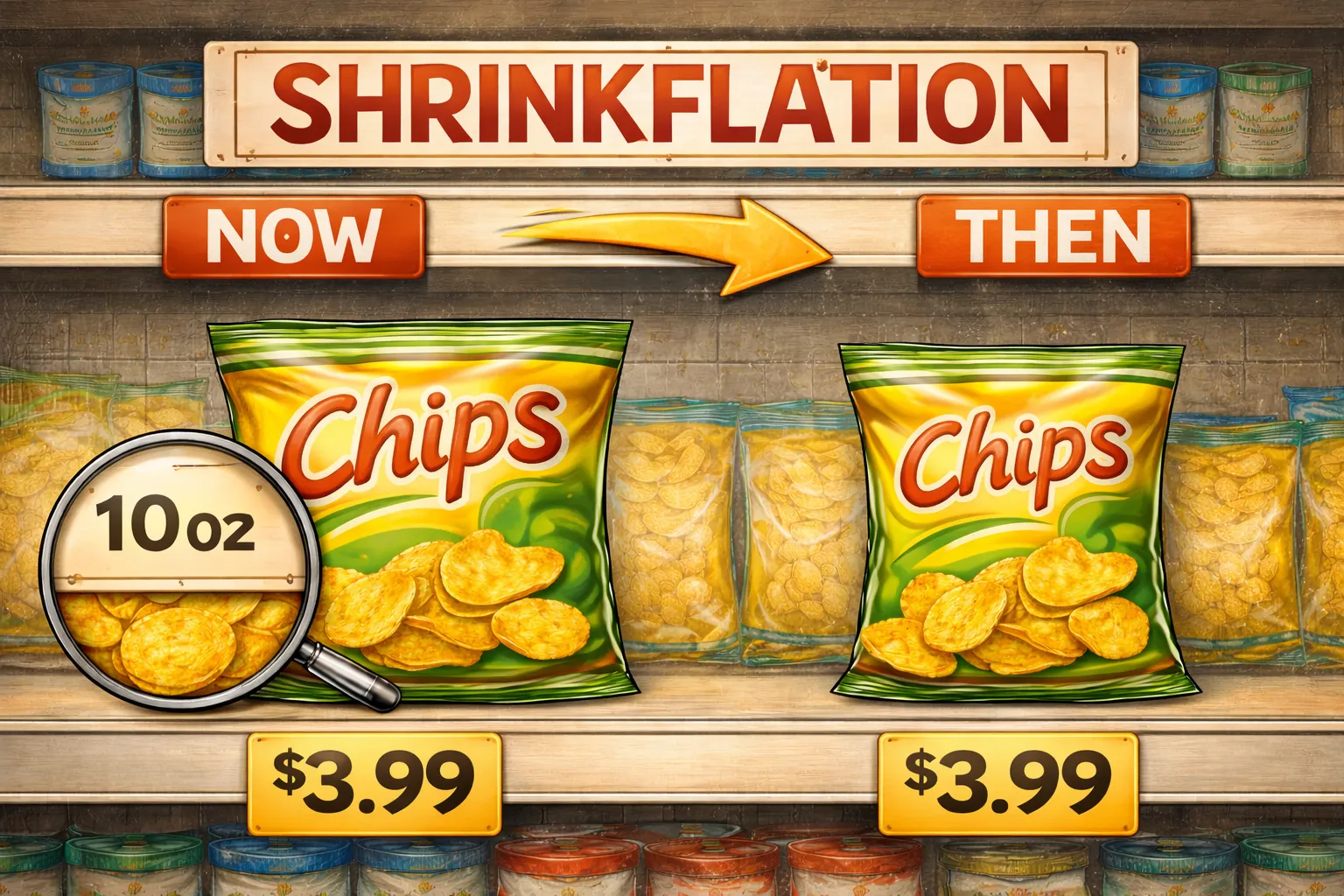 COVID caused many companies to raise their prices. Some, like like Gatorade and Charmin, chose to shrink their packaging instead. This sparked an outrage among the consumers, who saw the act through the lens of "greedy businesses". In reality, every business was hurting because of naive policies that stalled the economy during COVID. When the cost of supplies goes up, the business is stuck with these options:
- Increase prices (inflation).
- Reduce packaging (shrinkflation).
- Reduce overhead (layoffs).
- Eat the cost (or operate at a loss).
- Close down the business (bunkrupcy).
Shrinkflation (products getting smaller but cost the same) is not a trick to pad profits, it’s a survival tactic. You’ve probably experienced it: bags of chips with more air, toilet paper with fewer sheets, cereal boxes that look the same on the outside but hold less, packaging slowly shrinking. This isn’t a new phenomenon, it's just more obvious today. In the wake of COVID, inflation accelerated. It compressed a decade’s worth of price pressure into just a few years. For many Americans, it was the first time they directly felt what most of the world has always known: when costs rise, compromises follow.
Why Companies Downsize Products Instead of Raising Prices
From the business perspective, shrinkflation can be a necessary evil. When all the raw ingredients, packaging materials, shipping fees, and wages get more expensive, manufacturers have two main options: charge more, or give you a bit less. The problem with raising prices is that customers notice it immediately. As one academic economist put it, businesses facing higher costs see direct price increases as “risky” in competitive markets, so they “ choose to raise prices indirectly through downsizing” of the product.
Consider a snack company grappling with a spike in the cost of cooking oil and potatoes. Simply raising the price of a bag of chips might hurt sales, especially if competitors haven’t raised theirs. So the company chooses to put fewer chips in each bag but continue charging the old price. Most of us don’t scrutinize net weight or count the sheets of toilet paper; we go by the price tag.
The main drivers for shrinkflation are:
- Rising Production Costs: When the price of key inputs (raw materials, energy, labor, etc.) shoots up, making the product gets more expensive.
- Market Competition: In cutthroat markets, a visible price hike can send shoppers straight to a rival brand.
Shrinkflation in Action: Everyday Examples
 It’s easier to grasp shrinkflation with concrete examples, and there have been plenty lately. Here are some notable cases of products quietly shrinking:
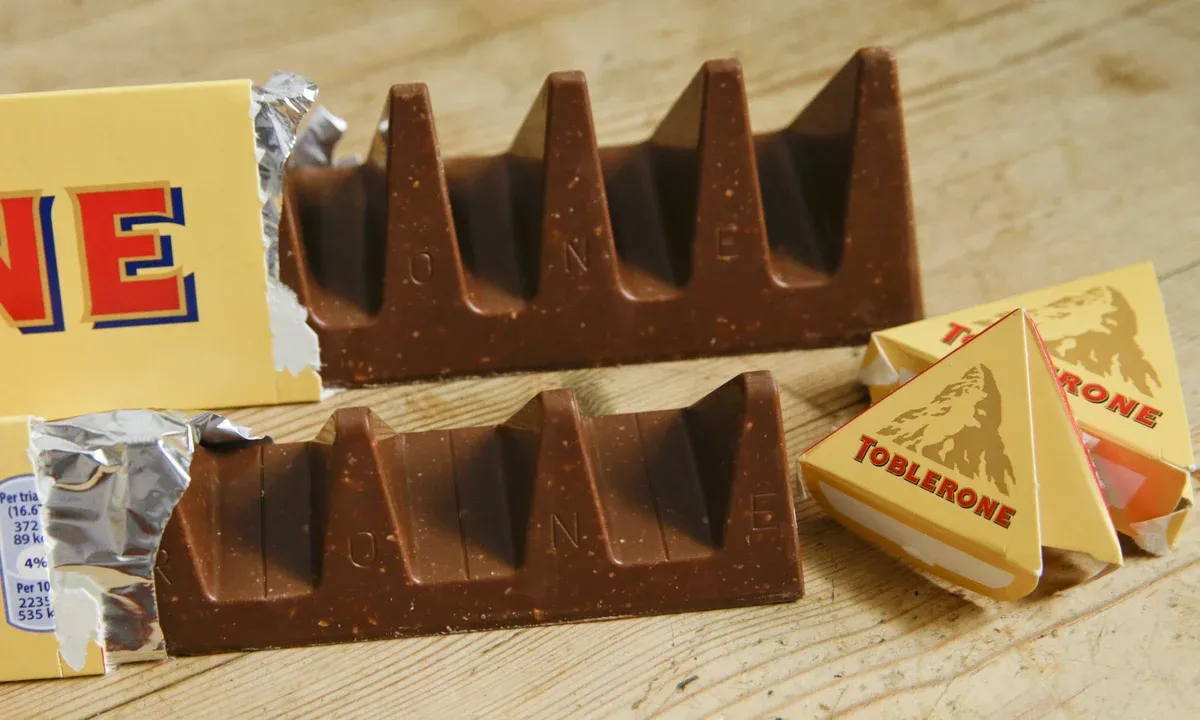
- Snack Foods (Chips & Candy): Frito-Lay downsized Doritos bags from 9.75 ounces to 9.25 ounces – roughly five fewer chips per bag for the same price. Mondelez infamously altered the shape of Toblerone chocolate bars in 2017, spacing out the iconic peaks to reduce the amount of chocolate. Consumer backlash was so strong (even a lawsuit) that they eventually reverted to the original design. Candy bars in multi-packs are often made slightly smaller than their single-pack versions as a sneaky way to trim costs.
- Beverages: Gatorade introduced a “sleek” new bottle design recently – but along with the new shape came a shrink from 32 ounces to 28 ounces of sports drink. The price didn’t drop; Gatorade basically gave you 12% less fluid for your money. A PepsiCo spokesperson even pitched it as an improvement: the bottle is “easier to grab” and “more aerodynamic,” they said, glossing over the smaller volume. Soda and juice makers have also been known to shave a few ounces off bottles while keeping prices unchanged.
- Toilet Paper & Paper Goods: Paper products have been serial victims of shrinkflation. For instance, Charmin’s “Mega” toilet paper rolls went from 264 sheets down to 244 sheets per roll in the latest iteration. The even larger “Super Mega” rolls dropped from 396 to 366 sheets. Over decades, toilet paper roll sizes have been whittled down significantly - in the 1960s Charmin had 650 single-ply sheets on a roll, whereas today a roll might be under 70 sheets (after accounting for thinner, multi-ply squares). Paper towel brands do the same: a Bounty roll now contains fewer sheets than before, and the cardboard tube might be larger to disguise the difference. Kleenex recently cut the number of tissues in a box, from 65 down to 60 in one example, without lowering the price (much to the annoyance of tissue users).
- Laundry Detergent & Household Staples: It’s not just food – household cleaners and detergents have quietly shrunk too. Gain laundry detergent (made by Procter & Gamble) was 165 ounces per bottle, but now it’s 154 ounces in the same size bottle. You get a dozen fewer loads out of each jug. Dish soap, trash bags, aluminum foil, and pet food are other categories where consumers have reported subtle downsizing. The boxes, bottles, or bags often look identical at a glance, so only a careful read of the weight/count reveals the change.
Shrinkflation can be as blunt as as reducing the weight or as elegant as a new form/container that conceals the shrinkage.
Shrinkflation in Real Estate
In large cities with rising property prices, residents are getting priced out, not just out of home ownership but even being able to afford an apartment. Renting by rooms is another form of shrinkflation. The landlords - squeezed by rising expenses - are forced to raise rents to make ends meet. But who will pay the new price premium? Who can afford it? The answer is the same: smaller packaging. People are downsizing, they're not willing to pay more in rent, but they are willing to live in a smaller home, they're willing to sublet.
Tokyo, with its capsule hotels, is an extreme case of that. When demand outstrips supply of available space, landlords start to look for compromises, and tenants accept them. Miniaturization is the new trend, space is increasingly becoming a luxury.