Broken Windows Theory
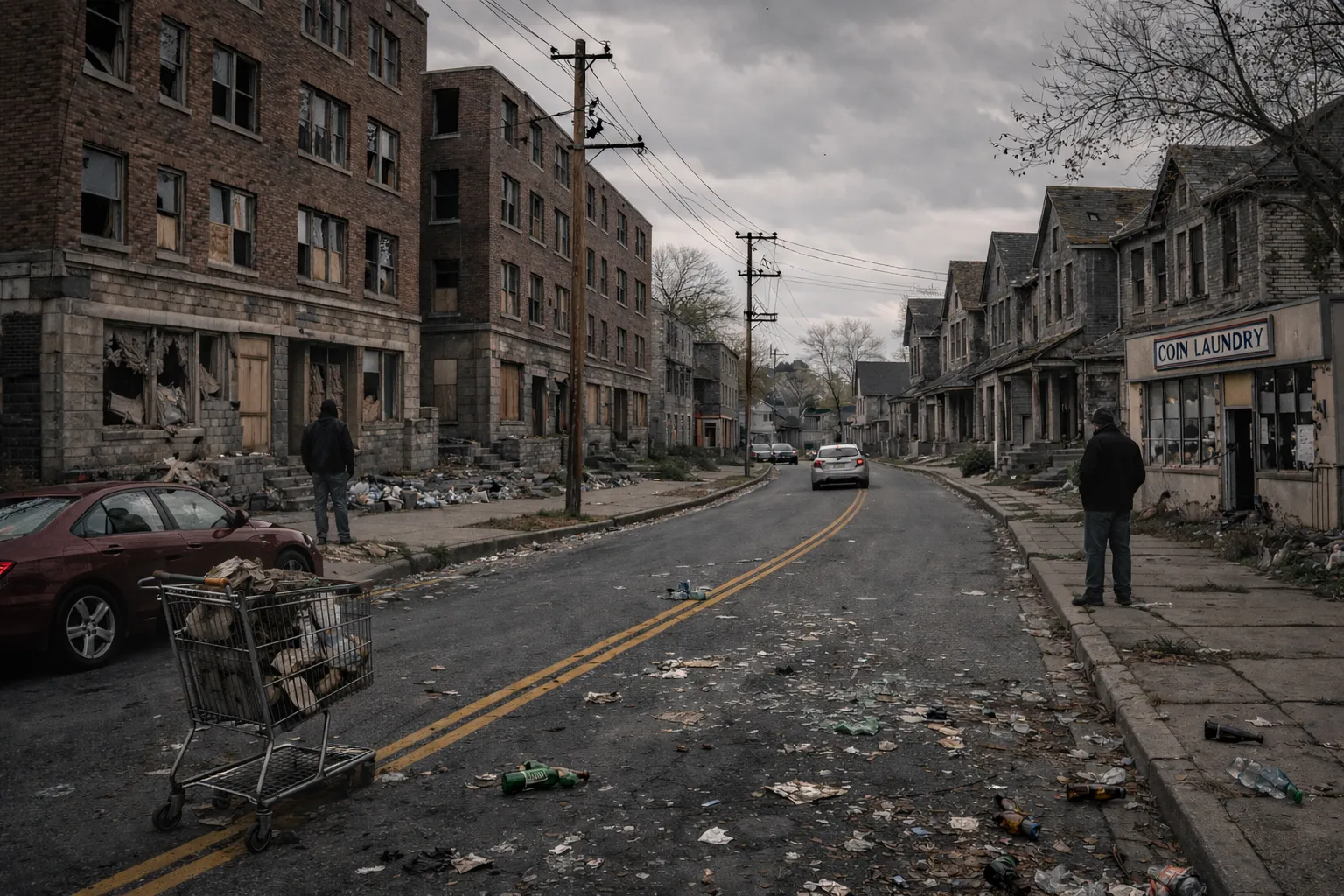 There is a specific moment when a neighborhood changes. It is when the first small act of disorder becomes normal. A broken window that stays broken. A wall tagged and never cleaned. A subway turnstile that becomes optional. A shop where “everyone knows” the same guy steals every week and nothing happens. Broken windows theory is the idea that visible disorder signals a lack of social control, which, in turn, invites more serious crime. The theory was popularized by James Q. Wilson and George Kelling in 1982.
Here is the theory in a nutshell:
- A broken window signals neglect (visible disorder).
- Neglect signals to bad actors that this area is unmonitored and rules aren't enforced.
- Minor offenses (grafitti, etc.) escalate into major crimes like robbery and murder.
- Aggressive enforcement of these minor crimes deters more serious ones.
This theory is not without criticism, but there is merit to it. I've experienced it first-hand with my rentals. A property that stays abandoned/neglected is an invitation for drugs and shady friends. Minor offenses don't "breed" larger offenses, but they certainly invite them.
The NYC experiment that made the theory famous
Broken windows moved from an academic metaphor to a real world policy largely through New York. By the mid 1980s, New York’s underground crime problem was so outsized it had an international reputation. A 1985 Los Angeles Times piece called the “subway mugger” an American symbol spreading fear through metro systems worldwide, and noted other systems still did not come close to New York’s scale of underground felonies. Above ground was not much better. In 1990, New York City hit its modern peak with 2,245 homicides, about a 31 per 100,000 rate. To put that into context, the U.S. as a whole was around 9.8 per 100,000 that same year.
Mayor Giuliani decided to tackle this problem. Fare evasion, graffiti, public drinking, and other minor offenses were treated as the front edge of a larger problem. William Bratton (NYPD Commissioner at the time) has written directly about applying this “we will not ignore the little things” approach in the subway. Crime dropped dramatically through the 1990s, the policy was effective.
The modern reversal: when the system deprioritizes the small stuff
Fast-forward to today, and we see blue states embrace the opposite approach. Fare evasion in NYC is the new sport. In California, shop-lifting is no longer a crime per Proposition 47 - as long as you keep it under $1000. By normalizing these behaviors, we stretch our contract of what's socially acceptable, inviting bigger infractions. In a world where drunk driving isn't a crime, neither is vehicular homicide. When the public believes the small stuff is not enforced, trust in the rules erodes altogether.
Broken windows theory is a story of market cycles. Neighborhoods bloom and rot based on the local policies. When these policies neglect upkeep and dismiss petty crimes, those with money to afford better living conditions elsewhere move out. Businesses who're repeatedly facing higher "cost of doing business" because theft and vandalism is normalized close their operations, taking their business elsewhere. This isn't theory, it's happening right now. Californians moving to Texas is not just a meme.
This has happened many times in the past. Detroit didn't lose its car industry because "greedy businesses" moved manufacturing overseas. Those businesses optimized operations. As government forced more regulation on them (unions, minimum wage, etc.), they had to find a new solution to build the car cheaper - and they did. Jobs moved first, people followed, fiscal capacity collapsed, services degraded, crime rose, then taxes rose to plug holes, which pushed more people and firms out. It's a predictable pattern.
With today's access to technology and remote jobs, these market cycles are accelerating. One can easily research neighborhoods and compare areas online. It no longer takes years for information to spread. Cities have to be smarter about their brand, it's visible to the whole world - in real time.
The data backs this up. Between 2020 and 2023, a quarter million people left the Bay Area. San Francisco alone lost 65,000 residents - a 7.5% drop that ranks it first among all large US counties for pandemic-era population decline. Oakland's violent crime rate hit the highest among California cities its size. Over 40 retail stores have closed in Union Square since 2020, including anchor stores like Nordstrom and Old Navy. The before-and-after below tells the story visually.
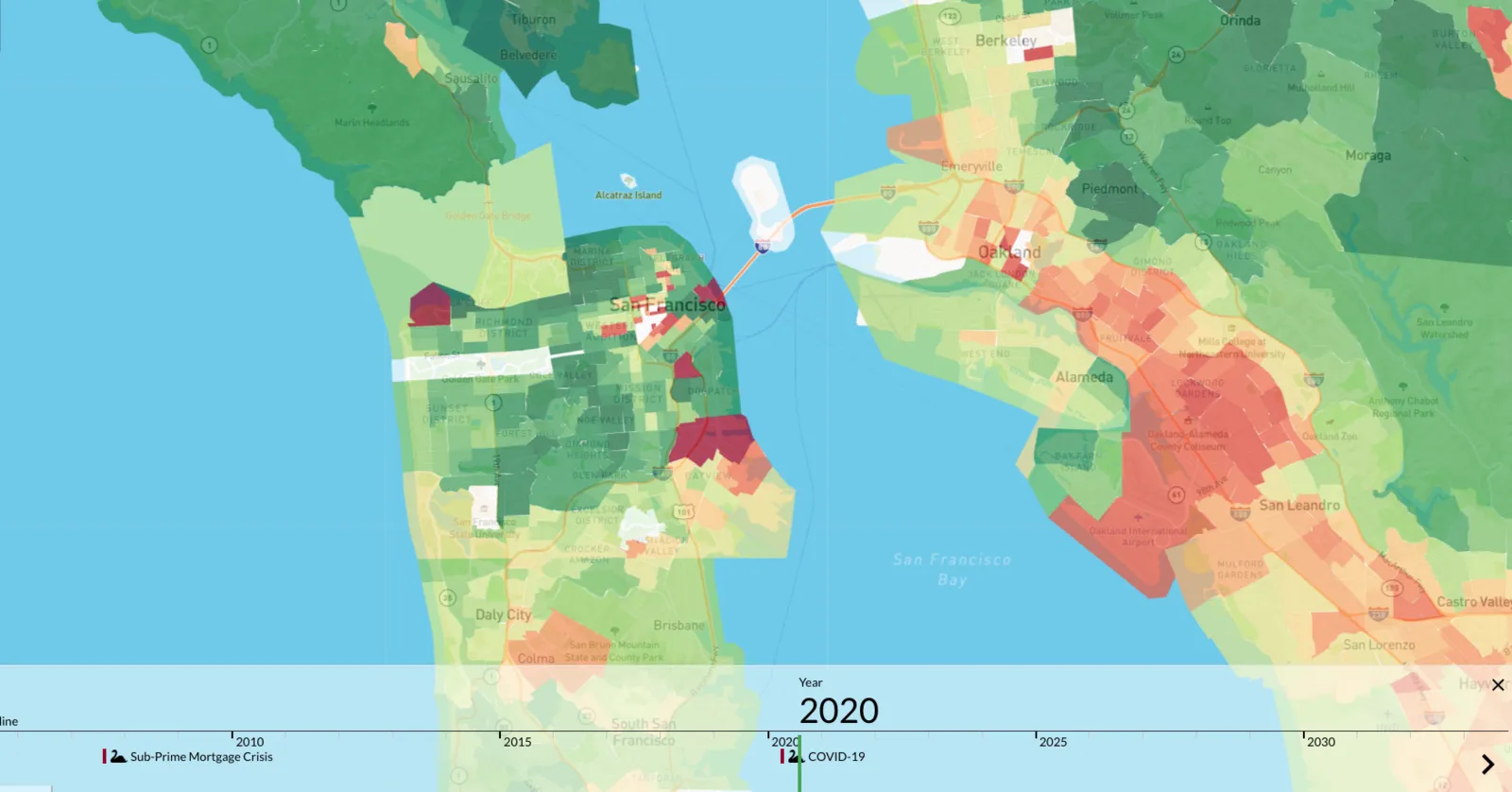
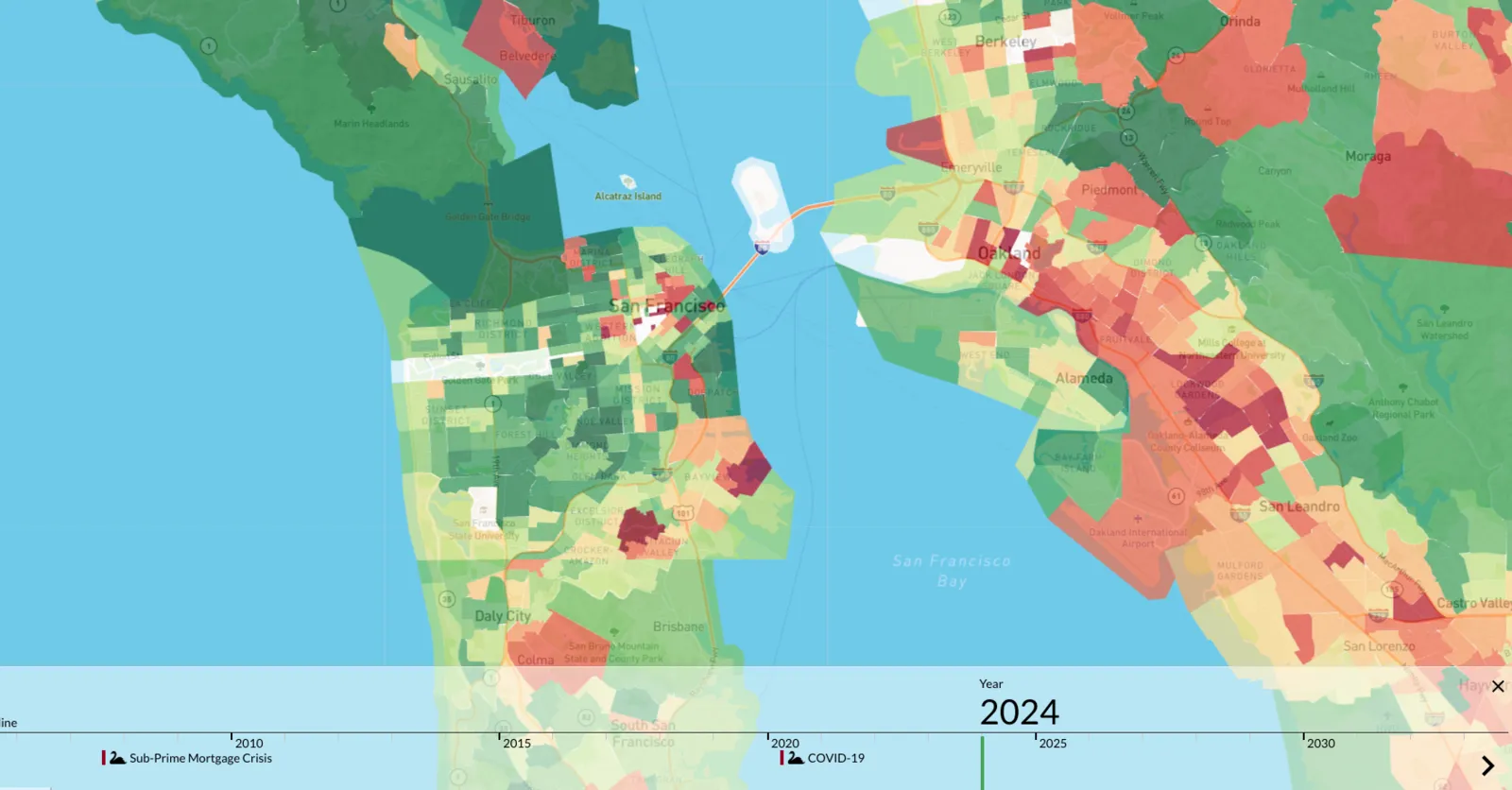 Images show San Francisco change in area desirability between 2020-2024, based on CENSUS data. Images were generated with Investomation analytics.
