Concierge Case Study #2: Closing on New Construction (Part 1)
Series: Concierge Case Study #2 (Charlotte STR)
- Part 1: Closing on New Construction (you are here)
- Part 2: Why We Missed the July Launch
- Part 3: Furnishing a 15-Guest AirBnB
- Part 4: Launch Numbers (coming soon)
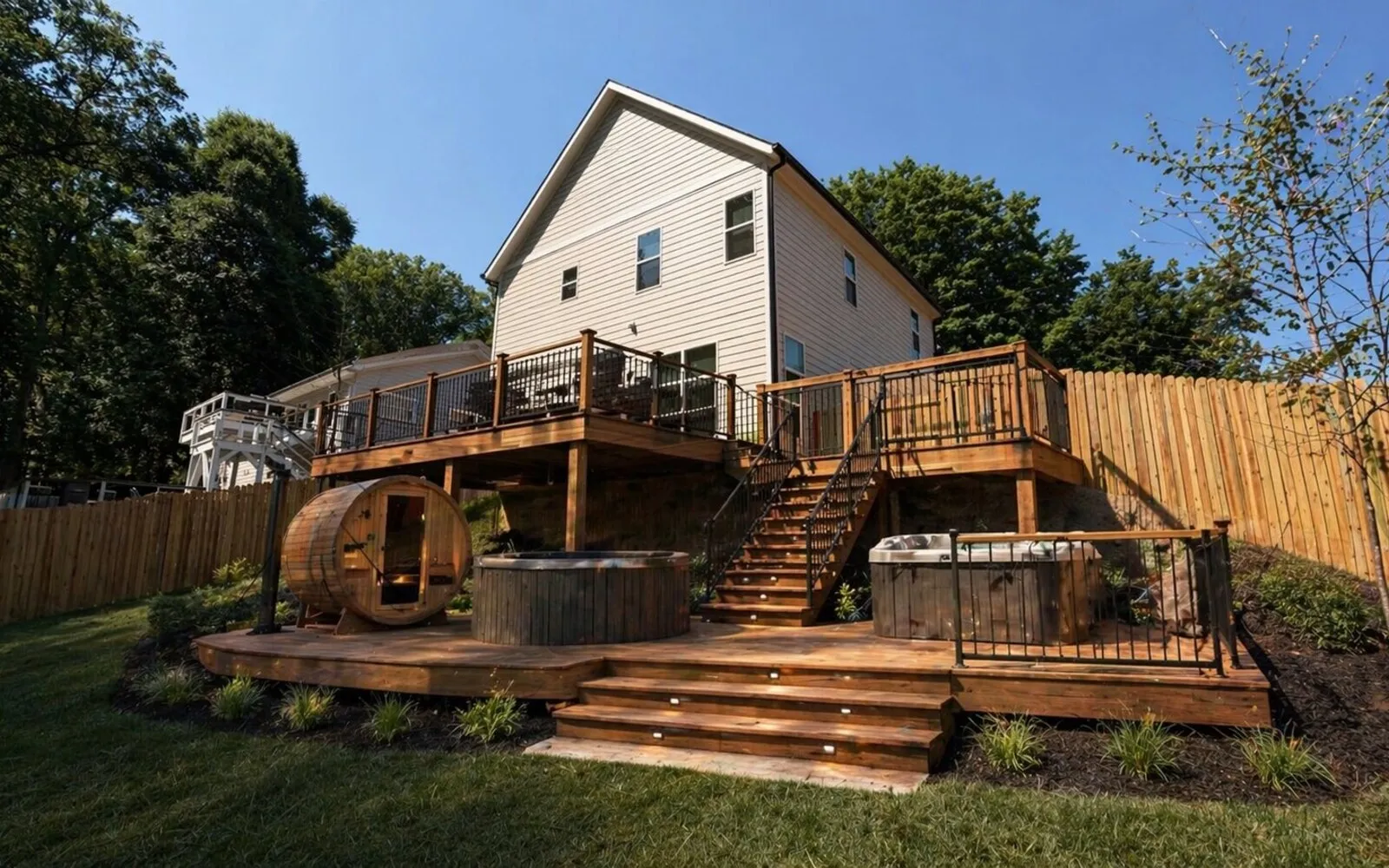 In a recent post, I mentioned the new-construction short-term rental I was closing on in one of the softer Sun Belt markets. The contract said we'd close on January 21st. The plan after that was four to five weeks of setup and a listing live by early spring. We closed on April 17th. As I write this in late June, the house has a design, a contractor, and a growing pile of deliveries, and the listing target has moved to mid-July.
Our Charlotte team has set up short-term rentals for our clients and for us, including a client's renovation earlier this year. This time it's new construction, bought with my own money as another proof of concept for the process, and this series covers the parts that don't photograph well: the closing that slipped three months, the rate lock that kept expiring, and (in Part 2) a furnishing project that has already turned into a part-time job fighting retailers' fraud filters. Most of the delays came from the builder and the utility company.
New construction vs. older homes
Every older house we've owned around Boston came with the same kind of surprises: doorways too narrow to get furniture through, low ceilings, crooked floors and doors that barely close, three-prong outlets with no ground behind them, patched-together plumbing, rotted sill plates, carpenter ants, and basement leaks. More was hidden in the walls until a repair opened them up. Small landlords in Boston buy triple-deckers, built between 1880 and 1930, and roughly 10,000 of them are still standing. Citywide, 47% of Boston's housing predates 1940, and even the median home was built in 1947. Charlotte's median home was built in 1999, and only 2% of its housing predates 1940. A new build goes further: everything in it is built to current code with standard-size parts. It's nice to have everything follow modern standards, for once.
The bigger draw is maintenance. Builders typically cover workmanship for the first year, plumbing, electrical, and HVAC for two, and major structural defects for up to ten. Past the warranty, everything that wears out on a schedule starts at zero: asphalt shingles last about 20 years, a furnace 15 to 20, an AC unit 10 to 15, and a water heater about 10. Nationally, owners of homes built before 1980 spend 76% more a year on maintenance than owners of homes built since 2010. With a new build you're paying up front for five-plus years without a major replacement and with few maintenance calls. For a remote owner who can't drive over to deal with a burst pipe, that peace of mind is worth paying for.
It's cheaper to run, too. In a short-term rental the owner pays the utilities, and homes built from 2016 to 2020 used about 40% less energy per square foot than homes built before 1950. Insurance follows the same pattern: new homes cost 35% less to insure than 20-year-old homes in 2025, about $1,000 a year.
Right now new construction is also the better deal. Through the 2010s new homes sold for an average of $66,000 more than existing ones, but by the end of 2025 the median new home was $9,600 cheaper than the median existing home, the third straight quarter that new came in below existing.
Builders are sitting on inventory, yet most still hold price and offer incentives instead. Every closed sale becomes a comp for the remaining lots in the subdivision, and for the appraisals their next buyers will need. A $10k price cut lowers the value of everything else they're selling. A $10k fence doesn't show up in the comps. For a leveraged buyer that isn't necessarily a bad deal. A rate buydown or closing-cost credit can be worth more than the same dollars off the price.
Finding the house
My team found the listing in mid-November, before it officially hit the market. About 2,000 square feet on 0.42 acres, backing onto woods, across the street from a lake. The builder had already sold the same floor plan down the street as a working AirBnB, so we had a comp for exactly this product. The listing agent sent photos and a walkthrough video the next day, and from the front it looked nearly finished: siding and garage door on, floors down, cabinets in with the counters still under protective film. The yard was the problem: most of the lot was a steep wooded slope, and only a strip behind the house had been graded.
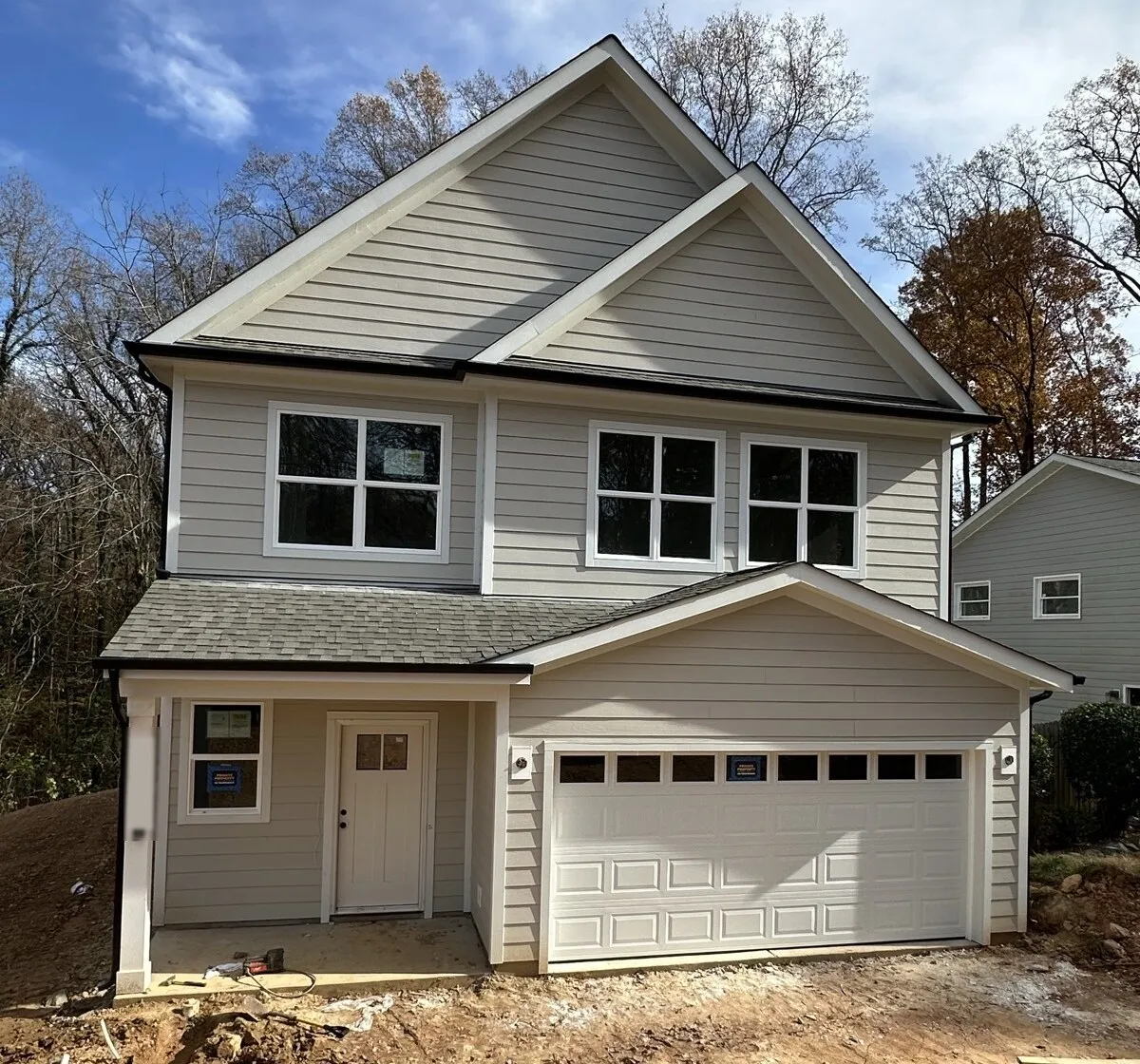
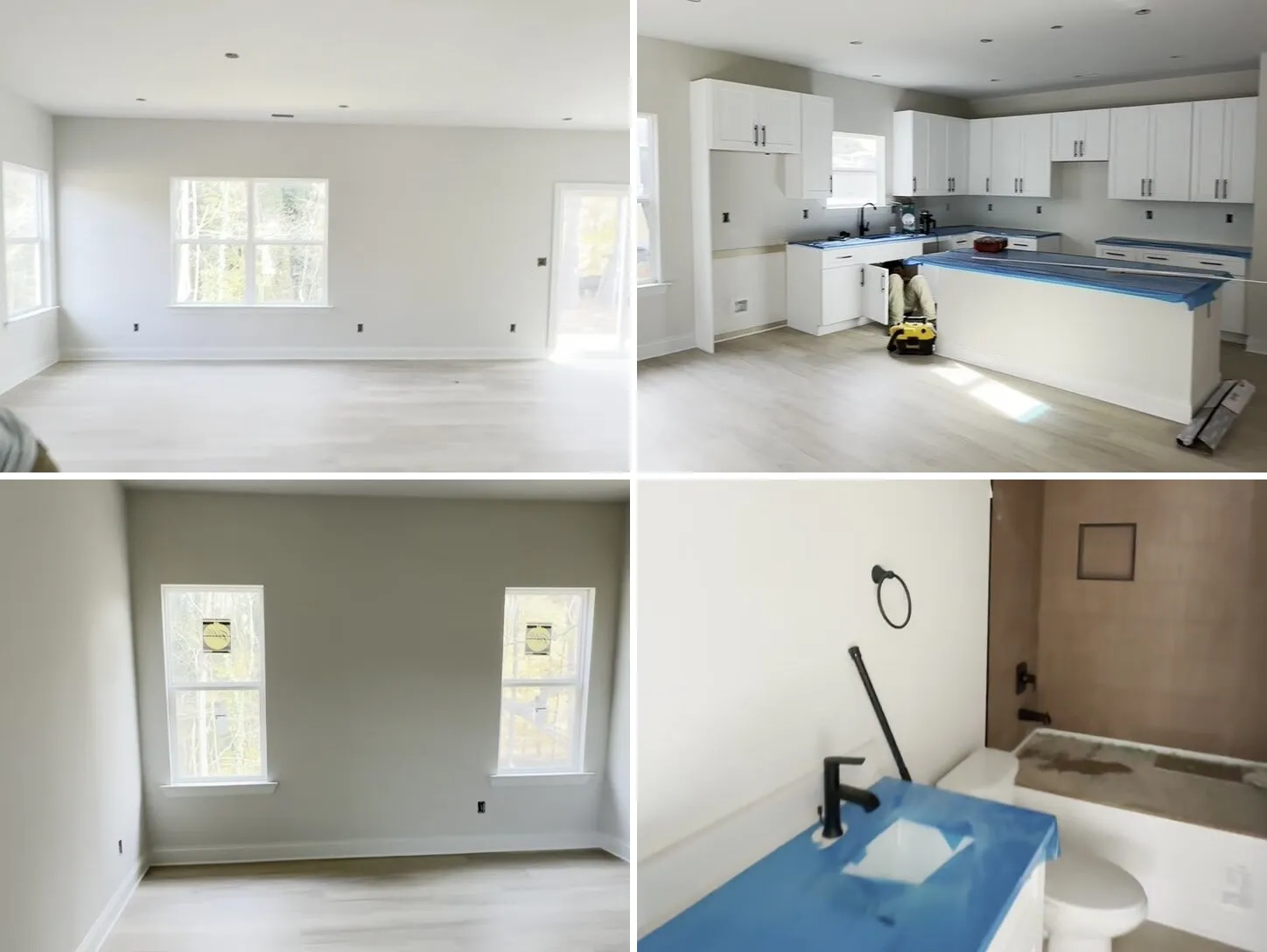 The lake was a big part of why I wanted this house. It isn't usable for swimming or boating, but it's scenic, and with the same floor plan already renting down the street, the view will set this listing apart once it has the right photos. My first question was whether it meant flood insurance, since the house looked like it sat low. My team pulled the FEMA map the next morning, and the lot is outside the flood zone.
 We tried to come in at $440k against a $450k asking price. The builder wasn't interested. What they would do, at full asking, was clear and grade the lot as flat as the slope allowed, fence the backyard, and throw in blinds and a full appliance package including washer and dryer. When we floated a second version at $455k with a deck built to our spec, they took the cheaper one. Standard terms on top: a 1% non-refundable builder deposit and $5k earnest money.
What I underestimated was the gap between signing and owning. A resale house exists on the day you make the offer. A new build on the day you sign is still a list of things that have to happen in a particular order, mostly by people who don't work for you and don't share your deadline. Maintenance risk is low and well understood. Schedule risk is harder to see, and for a short-term rental it's the one that costs money every month.
Waiting on the certificate of occupancy
The certificate of occupancy (CO) held up the closing. My DSCR lender wouldn't fund a house without one, and on new construction the CO comes at the end of a sequence the builder controls. I didn't know how long that sequence takes, and the builder didn't plan it well. The closing moved from January 21st to April 17th in four steps:
- Power (January). The house was built, but Duke Energy hadn't run underground power to it, and the city won't issue a CO for a house without power. The week we were supposed to close, the builder was still waiting on Duke. Duke's date ended up being March 6th.
- A workaround that didn't work (February). The builder had scheduled the yard clearing and fence for after the CO, so the seller agreed to hold back $10,000 in escrow and let us close at CO with the yard finished afterward. It didn't move the date by a day. The lender still needed the CO.
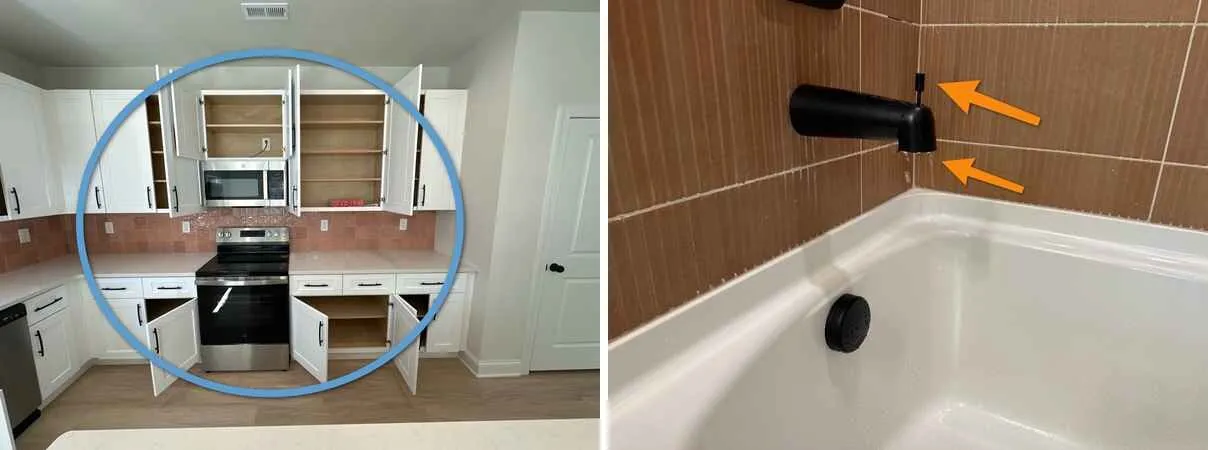
- The CO itself (March). Power on didn't mean a CO. The city had a hold the builder still had to clear, and the CO that was expected on March 19th arrived about a week later. We ran the inspection in the meantime. Even a house nobody had lived in came back with 18 items, from missing window screens and exposed siding nails to water pooled in a corner of the garage. The builder agreed to fix most of them.
- Appraisal sign-off (late March to April). The original appraisal was "subject to completion," so after the CO the appraiser had to come back and sign off. The builder got the appraiser out before the fence was up, and the sign-off covered everything except the fence. My lender's take was that the builder rushed it. The fence went in, the appraiser made a second trip, and we were clear to close on April 13th. We wired funds on the 17th, and the deed recorded on the 20th. (The closing itself was by mail. The builder insisted on its own closing attorney, who hadn't done many mail-away closings and never arranged the notary it charged us for, so I found my own at the last minute.)
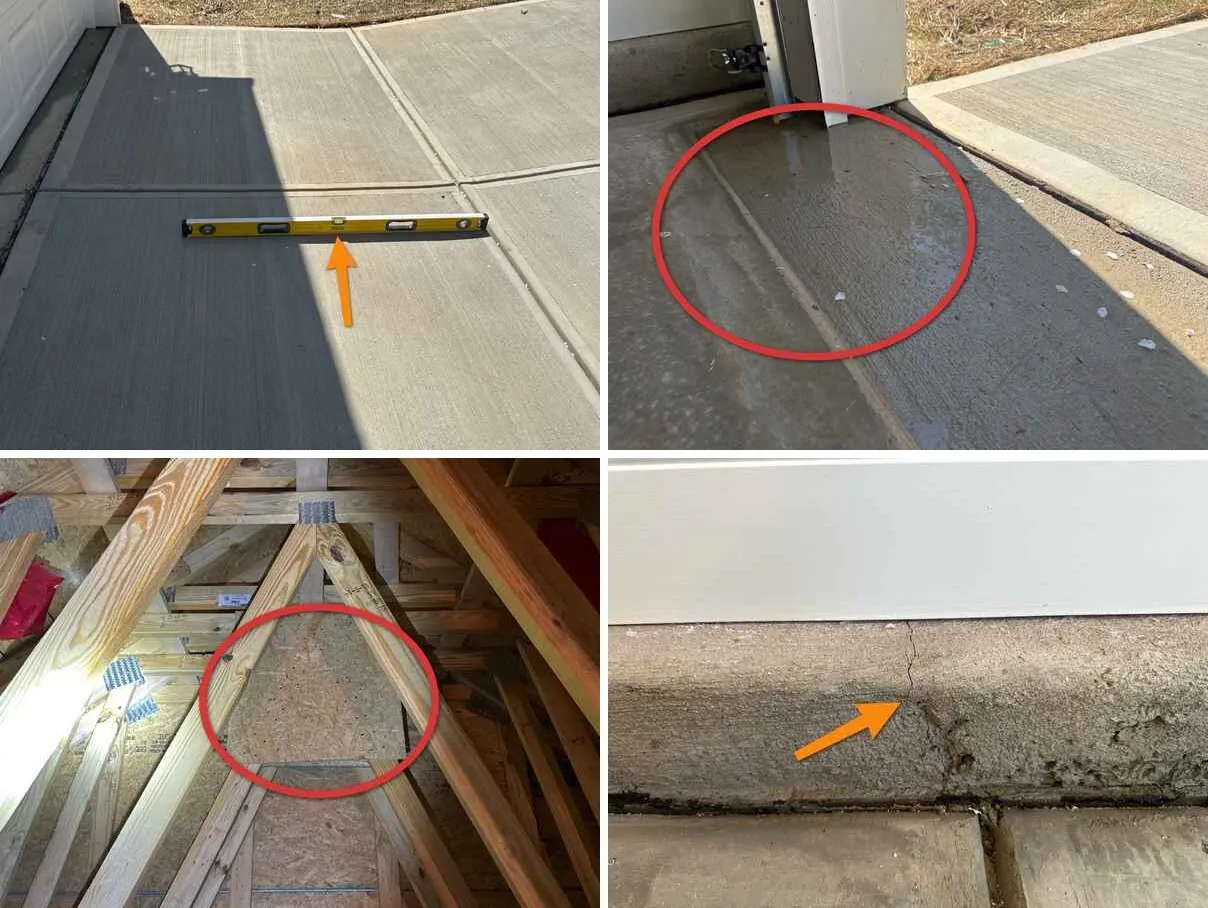 None of those steps is unusual. What cost us was the order they happened in. Power wasn't lined up until the house was done, the yard work was scheduled behind the CO, and the appraisal sign-off was scheduled before the fence, so every step waited on the one before it. I didn't know enough about new construction to ask about any of it. On a resale, the CO was issued years ago and the appraiser walks into a finished house.
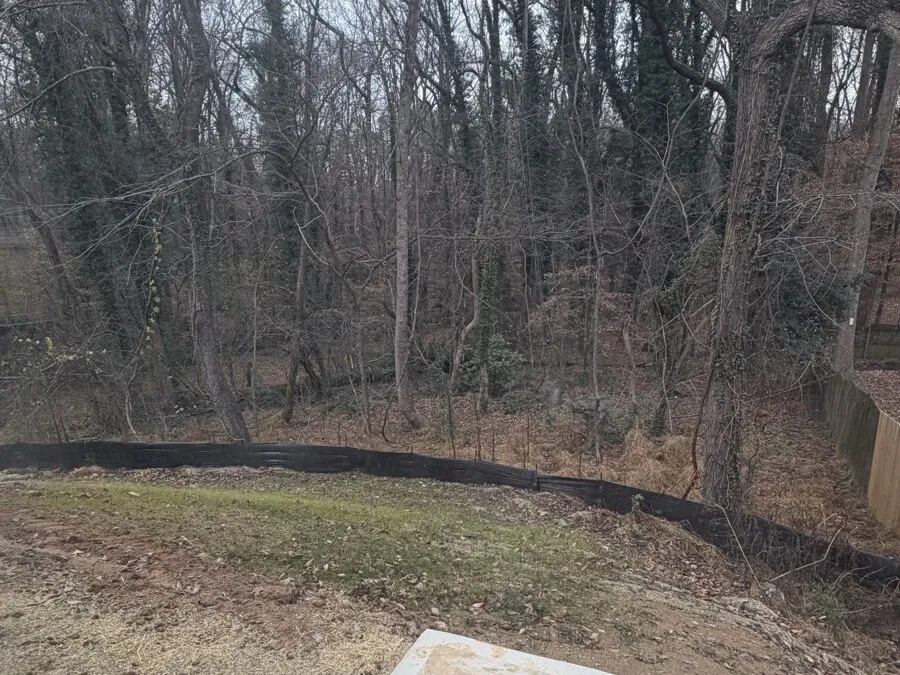
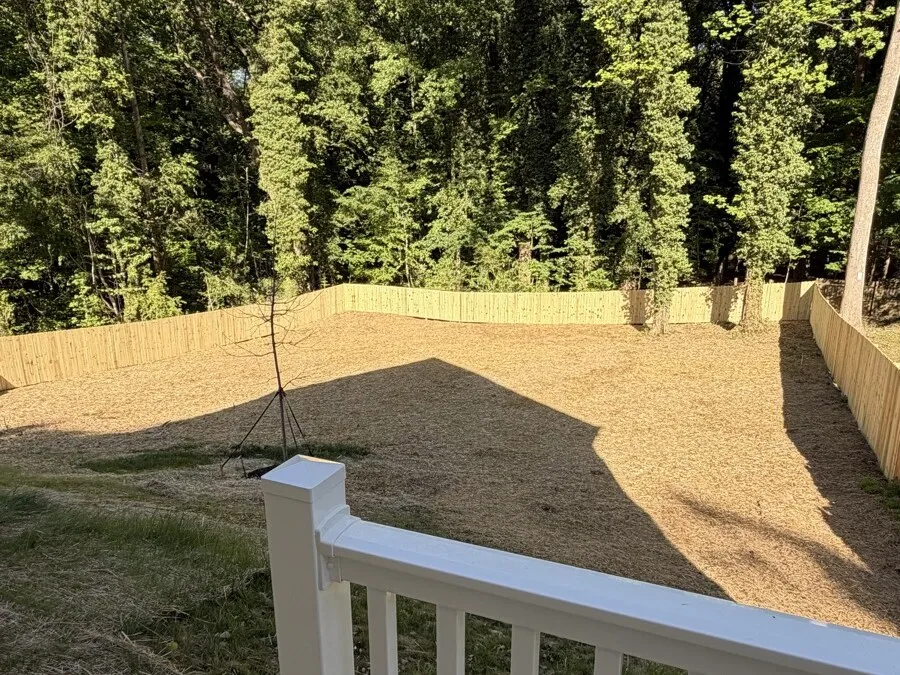 The yard did turn out exactly as promised. When the clearing was done my team texted me the before and after from the same spot on the back step with the caption "unrecognizable," and they were right. A few days earlier they'd texted that I had the nicest yard in the neighborhood.
Rate locks: hurry up and wait
Before closing, the delay cost me exactly one thing: the rate lock. Mortgage, taxes, and insurance start whenever you close, so a later closing moves them back without adding to them. A lock holds your rate for a fixed window, 30 days in my case. When closing moves past the window, the lender charges to extend it, usually 0.125% to 0.25% of the loan per 15-day extension. On a resale that's a rounding error, because closings rarely slip more than a week or two. On a new build it adds up fast.
New construction makes this worse. The builder's completion date is the date everyone plans around, and builders are optimistic about it. Everyone pushes you to lock early so a rate move doesn't blow up the deal, and then the builder misses the date. My lender called it "hurry up and wait": you rush to lock, and then the lock expires while the house waits on Duke Energy and the city. Since the lender couldn't fund without a CO, every week the CO slipped was another week of lock extension. The seller covered one extension, up to $1,800, after my team pushed for it. Close to two months of extensions came out of my pocket, and I had to bring roughly $5,000 more to the closing table than I'd planned, none of it for anything that stays with the house. Walking away wasn't a realistic option either: NC contracts don't have a traditional financing contingency, so once due diligence ends the buyer is committed.
Next time I'd do two things. First, for any property that doesn't have its CO yet, ask the lender up front about a long lock (90 to 180 days). It costs more on day one, but you know the cost up front. Second, put the builder on the hook: if the house isn't ready by the contract date for reasons outside the buyer's control, the seller pays the lock extensions. My one $1,800 credit came from my team negotiating after the fact. It should have been in the contract.
The lender matters here more than the rate sheet suggests. Most investors financing a short-term rental use a DSCR loan, which qualifies on the property's rent instead of the borrower's income. Unlike conventional loans, DSCR loans don't follow one agency rulebook, so every lender sets its own lock periods and extension pricing, along with origination fees (about 1% to 2% of the loan, more than $3,000 of difference on this one), prepayment penalties, reserves, and minimum DSCR ratios. On a remote closing with an appraisal condition and a builder that keeps slipping, a loan officer who answers the phone and knows how to clear a condition is worth more than an eighth of a point. Get at least three quotes and compare them line by line.
After closing, each month of delay costs $3k out of pocket and $8-10k in revenue
Once we closed, there was no rate lock left to extend, and each month of delay has two costs. Carrying cost is the mortgage, taxes, insurance, and baseline utilities, about $3,000 a month whether the house is booked or not. Opportunity cost is the income the house isn't earning. It should gross $8,000 to $10,000 a month once it's rented, depending on the season, and after the management fee, cleaning that isn't passed through to guests, supplies, and the higher utility bills that come with occupancy, that's $5,500 to $7,000 a month we aren't collecting. As of this writing the delay is at two months.
The two numbers answer different questions. Opportunity cost tells you whether to spend money to speed things up. Carrying cost tells you how many months of reserves you need to wait it out.
If a week of delay costs $1,300 to $1,600 in lost income, then paying a contractor $1,000 extra to finish a week sooner, or paying a premium for in-stock furniture over a cheaper backorder, pays for itself. Most owners instinctively push back on paying more for labor, and on a delay like this one that instinct costs more than it saves.
Stretch that over two years. Jane and Bob buy the same house on the same day and spend the same $35,000 on furniture. Jane pays a professional team $20,000 to design the house and order everything at once, and she goes live in month 3. Bob skips the fee, buys piece by piece, and goes live in month 9. Both carry the house at $3,000 a month, and both listings take a couple of months to ramp up.
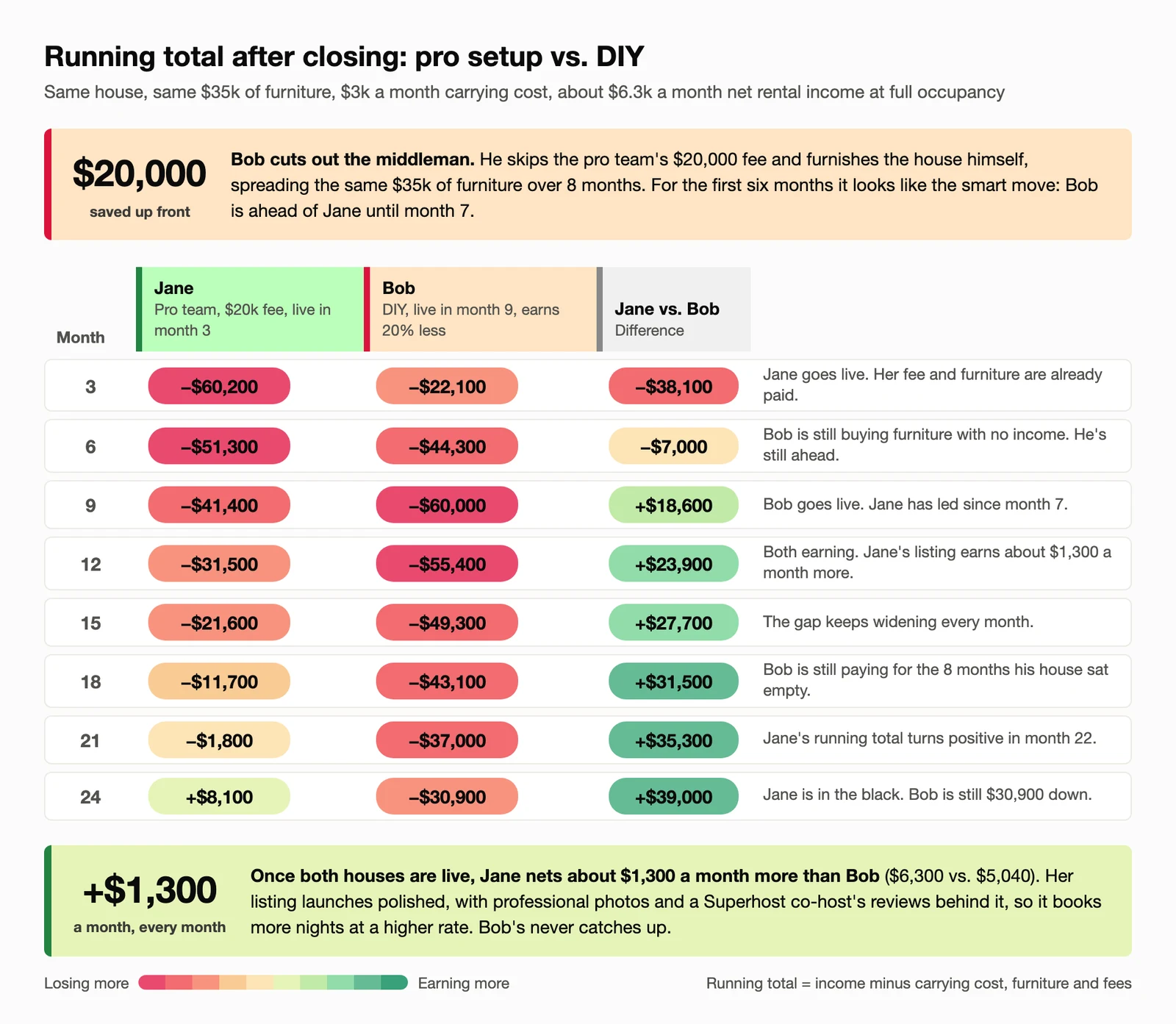 Running total is rental income minus carrying cost, furniture and fees. Jane's listing ramps from 60% to 85% to full occupancy; Bob's from 40% to 70% to full, at 80% of Jane's rate.
Bob's head start lasts six months. Then opportunity cost takes over: Jane passes him in month 7, her running total turns positive in month 22, and two years in she's $39,000 ahead.
The difference is in how each listing launches. Even on the same furniture budget, a first-time owner's house doesn't come out as polished, and professional photos alone earn hosts up to 20% more on Airbnb. Bob also launches as a new host with zero reviews, while we pair every client listing with a Superhost co-host, so guests see an experienced host's reputation from the first booking. Ratings follow from there. In 2023, listings rated 4.9 stars or above earned 7.7% more per night, booked 9.7% more nights and made 18.2% more revenue than the rest, according to AirDNA. Below 4.8, Bob can't qualify for Superhost, Airbnb ranks him lower in search, and below 4.5 the penalty gets steep: in PriceLabs' data from Greece, those listings averaged €68 a night against €92 at 4.9.
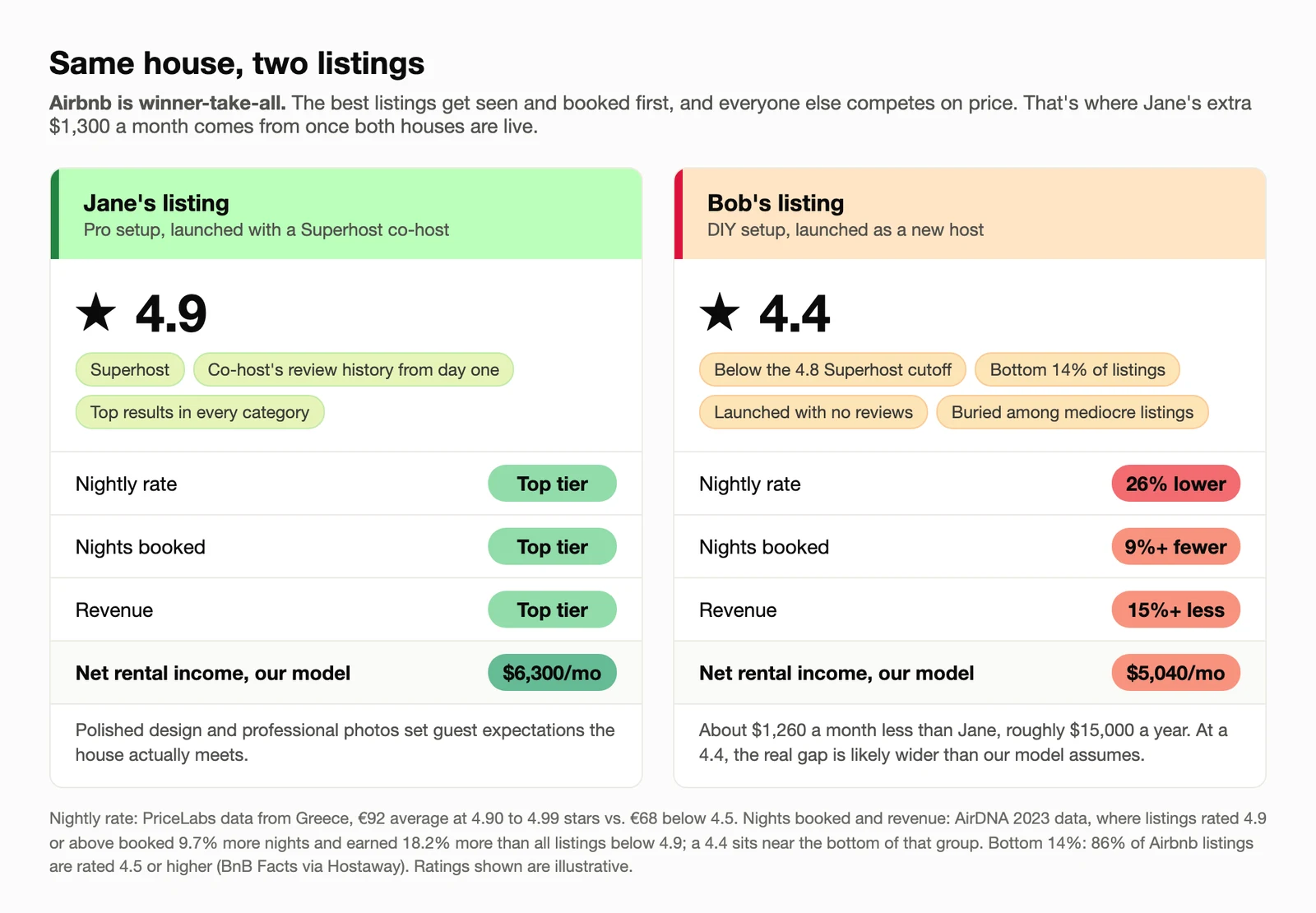 Ratings are illustrative. At a 4.4, Bob's nightly rate alone runs about 26% below Jane's, so the 20% our model uses is on the conservative side.
Bob saved $20,000 on day one and gives back about $15,000 a year for as long as his rating stays there. The $20,000 fee is the cheapest line on Jane's ledger. Our delays on this house cost us, and they're also why the next one goes faster. Every house we set up runs on what we learned from the last several.
Lessons from the buying phase
- Agree on deadlines and penalties while everyone is still optimistic. At signing, everyone believes the date, including me. That's the cheapest moment to settle what happens if it slips: who pays for lock extensions, what the seller credits for each week past the closing date, and when the contract work has to be done. I didn't bring it up, because it sounds like expecting the deal to go wrong. Once the delays showed up, the builder had an excuse and I had no leverage. Every time I've skipped that conversation, I've paid for the overrun with my own time and money, and on this house that meant the lock extensions.
- Treat the builder's date as the day they finish building, not the closing date. My lender needed a CO, so closing came after power, the CO, the inspection and the appraisal sign-off. Next time I'll ask what each step is waiting on and who owns it, and go over that list every week. The weeks that went badly were the ones where each side assumed the other was waiting.
- Run every workaround past the lender before negotiating it. The seller's $10,000 holdback was a real concession, and it didn't move the closing by a day because the lender still needed the CO.
- Inspect new construction while there's still leverage. Ours came back with 18 items on a house nobody had lived in. Before closing, a written report with photos got the builder to agree to fix most of them. After closing, it would have been one more warranty ticket in the builder's queue.
- Start everything that doesn't need the keys before closing. That's the one thing we got right: my team started the design work in January, before closing, so the contractor's quote was in hand two weeks after we got the keys.
Part 2 covers the ordering: a budget that went from a $70k hard limit to about $85k before the first box shipped, a designer's shopping list run through an owner's credit card, and card holds that started the first night I ordered furniture. Part 3 will show the finished house, and Part 4 will report the launch numbers once the first guests have checked out.
Buying in a market you don't live in? Investomation Concierge handles it end to end: picking the market and the house, the closing, the furnish-out, and a Superhost co-host. It's included with our Business membership.
